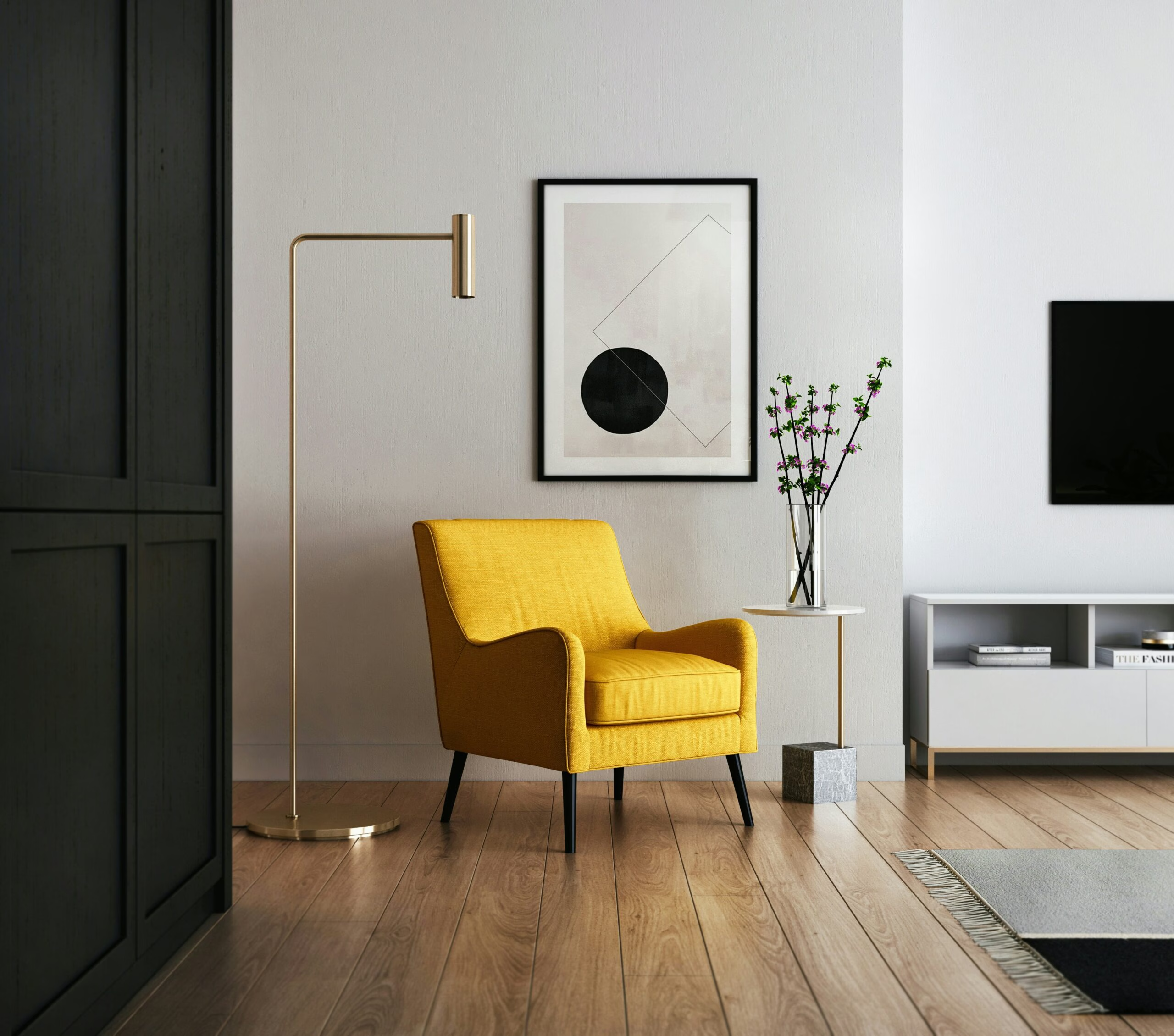
If you’ve ever started a home project thinking, “I’ll just pick a sofa and paint color,” and then found yourself 47 tabs deep in lighting, window treatments, and sectional dimensions that don’t quite fit your NYC living room… that’s exactly the kind of chaos a dedicated interior designer prevents.
A good designer isn’t just picking pretty things. They create a plan, narrow your choices, and make sure the space works for how you actually live. Below is how that plays out in real life, especially in tighter New York–area homes and apartments.
1. A clear point of view
One of the biggest benefits of working with a dedicated designer is that you stop guessing. Instead of random Pinterest ideas, you get a cohesive design direction: style, color story, materials, and overall mood. That means:
- You see focused options instead of 100 chairs.
- You get lifelike previews (mood boards, 3D, elevations), so you can see the room before you buy anything.
- Every choice supports the original concept, so the home actually feels finished and intentional.
2. Smarter layouts for small or awkward spaces
NYC homes, brownstones, and condos rarely have simple floor plans. You’re working around radiators, odd niches, tight hallways, and open-plan spaces that still need zones.
A designer will:
- Do space planning and layout design so circulation flows and doors/drawers open fully.
- Choose furniture that truly fits (scale and proportion matter more than the brand).
- Add meaningful storage so you’re not buying random cabinets later.
- Make one room do more than one job (living + WFH + guests) without it looking messy.
This is where designers often save the most money — getting the layout right up front prevents expensive do-overs.
3. Materials and finishes that look good and hold up
It’s easy to fall in love with a marble, a fabric, or a wood tone online — but not everything is right for real life. Designers help you choose materials and finishes for beauty and durability:
- Performance fabrics if you have kids/pets
- Tile that works in wet areas
- Finishes that won’t look dated in a year
- A palette that repeats across rooms, so the whole home feels connected
So the space doesn’t just photograph well — it actually lives well.
4. Decisions get documented, so the team follows the plan
This is the part people don’t see on Instagram. A designer will create drawings, spec sheets, and selections that tell the contractor exactly what to do:
- Which lights and at what height
- Which trim, which grout, which cabinet hardware
- Which window treatments and how they’re mounted
- What to custom-build vs. what to order
When the plan is documented, you make decisions once and the build team follows it without costly reversals.
5. Access to custom solutions
A big difference between DIY decorating and working with a designer is the level of customization. Our services typically include:
- Space planning and layout design – making the room work for traffic, views, and furniture
- Furniture selection and placement – right scale, right style, right spot
- Custom cabinetry and millwork: built-ins, media walls, mudrooms, closets
- Lighting design: layered lighting so the room isn’t flat
- Window treatments: privacy, light control, and a finished look
- Color consultation: paint, finishes, and how they read in your light
- Art and accessories selection: the layer that makes it feel lived in, not staged
Most homeowners can pick a sofa. Fewer can design a full room so everything lands at the right height, in the right finish, in the right proportion.
6. A calmer process from start to finish
Renovations and furnishing projects get chaotic because there are too many moving parts — trades, deliveries, lead times, returns. A dedicated designer becomes the point of contact who:
- Sequences decisions so you’re not choosing grout before you’ve chosen the tile
- Coordinates with contractors
- Keeps the design consistent even if a product is out of stock
- Helps you prioritize where to spend and where to save
You get to approve, not micromanage.
Ready to make your place actually feel finished?
Working with a designer just makes the whole thing smoother. You get a space that fits your life, looks the way you wanted it to, and doesn’t come with a bunch of “I wish we’d done that differently” moments. Instead of guessing, you get a plan. Instead of 100 options, you get the right 3. And instead of chasing your contractor, everyone follows the same design.
If you’re planning a renovation or just want your home to look more pulled together, start here and see what our interior design service includes.