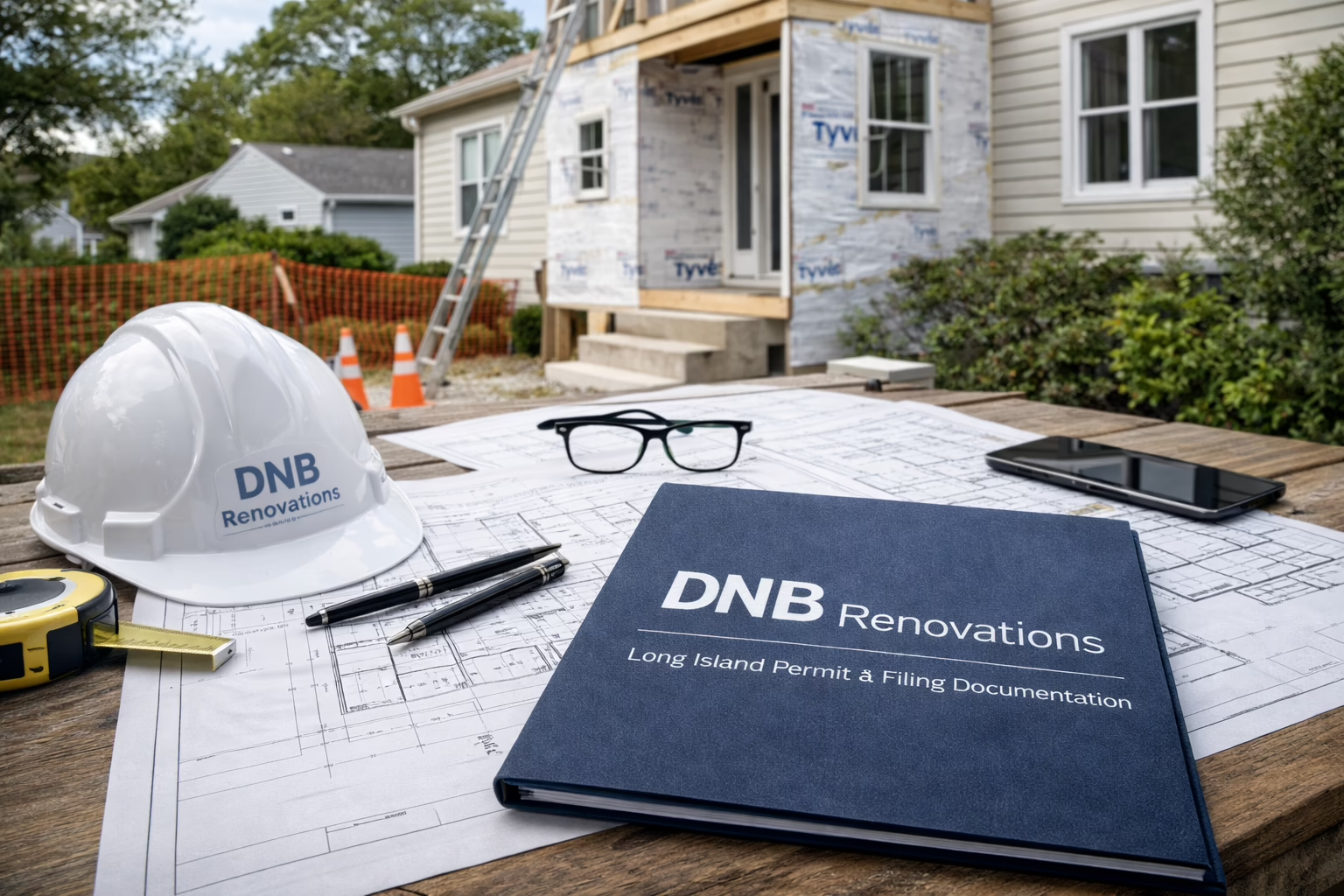
Renovating a home in Nassau County is very different from renovating an apartment in Manhattan.
On Long Island, homeowners often have more space, more structural flexibility, and more long-term plans for their properties. But with that flexibility comes a different set of challenges: town permits, zoning rules, inspections, and structural considerations.
Understanding how Long Island Home Renovation works – especially in Nassau County – can save months of delays and unnecessary stress.
We’ve worked with homeowners who assumed suburban renovation would be simpler than NYC. In some ways it is. In others, it requires even more planning.
Why Renovations in Nassau County Require Strategic Planning
Unlike city apartments, Long Island homes frequently involve structural modifications.
Homeowners may want to:
- Add a dormer
- Expand the kitchen footprint
- Convert a basement
- Finish an attic
- Open up load-bearing walls
These are not cosmetic projects. They affect structure, zoning compliance, and property records.
In one recent Nassau County project, a homeowner planned a kitchen expansion into an adjacent den. Structurally it was possible, but zoning setback requirements required review before approval. Early evaluation prevented costly redesign later.
The lesson is simple: suburban space does not mean unlimited freedom.
Town Permits in Nassau County: What You Need to Know
Each town in Nassau County has its own building department and procedures. Hempstead, North Hempstead, and Oyster Bay all operate independently.
This means the permit process is not centralized like NYC’s DOB system.
For most Long Island Home Renovation projects involving structural work, you will likely need:
- Building permits
- Electrical permits
- Plumbing permits
- Certificate of Completion after inspection
Even finishing a basement may require filing if framing, insulation, or egress modifications are involved.
Skipping permits in suburban areas can create major problems during refinancing or home sale, especially when property records do not match existing conditions.
Structural Changes and Home Additions
One of the most common Long Island renovation requests involves opening up floor plans.
Older Nassau County homes often have compartmentalized layouts. Homeowners want open kitchens flowing into dining or living areas.
However, removing a wall is rarely just “removing drywall.” It may involve:
- Load-bearing beam installation
- Temporary structural support
- Engineering drawings
- Inspection approvals
We’ve encountered homes where previous owners removed walls without permits. Correcting those situations later required retroactive engineering and inspection.
Doing it properly the first time avoids future complications.
Dormers, Extensions, and Second-Story Expansions
Dormers are extremely popular in Nassau County because they expand usable space without changing the home’s footprint.
However, these projects involve:
- Roof structure modifications
- Zoning compliance
- Height restrictions
- Setback verification
Each municipality reviews these carefully.
A well-managed Long Island Home Renovation project always begins with zoning confirmation before design development. Skipping that step can result in rejected applications.
Basement Renovations: A High-Value Upgrade with Rules
Finishing a basement is one of the most requested suburban renovations.
But in Nassau County, legal basements must meet strict requirements for:
- Ceiling height
- Proper egress windows
- Insulation
- Fire safety compliance
Many homeowners don’t realize that converting a basement without proper approval can affect insurance coverage.
We always recommend verifying compliance before beginning framing or drywall installation.
Electrical and Mechanical System Upgrades
Unlike NYC apartments where utilities are often shared, Long Island homes have independent systems. That offers flexibility – but also responsibility.
Older homes may require:
- Panel upgrades
- Service capacity increases
- HVAC modernization
- Oil-to-gas conversions
These improvements enhance comfort and efficiency, but they must be permitted and inspected.
Working with licensed professionals ensures the system meets current safety codes.
Timeline Expectations for Long Island Renovation Projects
Suburban renovations may appear faster than NYC projects because there are no co-op boards. However, town-level reviews can still extend timelines.
Delays often occur due to:
- Incomplete permit documentation
- Engineering revisions
- Material lead times
- Inspection scheduling
The most efficient projects are those that finalize scope before submitting permit applications.
Planning thoroughly on the front end shortens the overall duration.
Common Mistakes Nassau County Homeowners Make
One common mistake is underestimating zoning restrictions. Even small additions can trigger review if they affect property setbacks.
Another frequent issue is beginning work before permits are approved. Some homeowners assume interior renovations do not require filings, only to discover otherwise during inspection.
We’ve also seen homeowners hire contractors unfamiliar with specific town processes, which can result in rejected submissions.
Experience in Nassau County matters.
Is Long Island Home Renovation a Smart Investment?
For many homeowners, absolutely.
Renovations often increase:
- Functional living space
- Property value
- Market appeal
- Energy efficiency
Long Island buyers prioritize updated kitchens, finished basements, modern bathrooms, and open layouts.
Beyond resale, renovation improves daily life. Expanded kitchens become gathering spaces. Finished basements become home offices or entertainment rooms.
A properly planned Long Island Home Renovation enhances both lifestyle and long-term equity.
Planning a Renovation in Nassau County? Start with the Right Team.
A successful Long Island Home Renovation requires more than construction skills. It requires knowledge of zoning rules, town permit procedures, engineering requirements, and inspection coordination.
At DNB Renovations, we help Nassau County homeowners:
- Evaluate project feasibility
- Navigate town permits
- Coordinate engineering documentation
- Manage full-service construction
- Complete inspections and close permits properly
If you’re planning a renovation in Nassau County or anywhere on Long Island, visit dnbrenovations.com to schedule a consultation.
Let’s transform your home with careful planning, full compliance, and expert craftsmanship.
The smartest renovation is one built on proper planning and full compliance.
Get in touch with DNB Renovations to start planning a renovation that enhances your home’s functionality, complement its architectural style, and comply with local building codes and permit requirements.