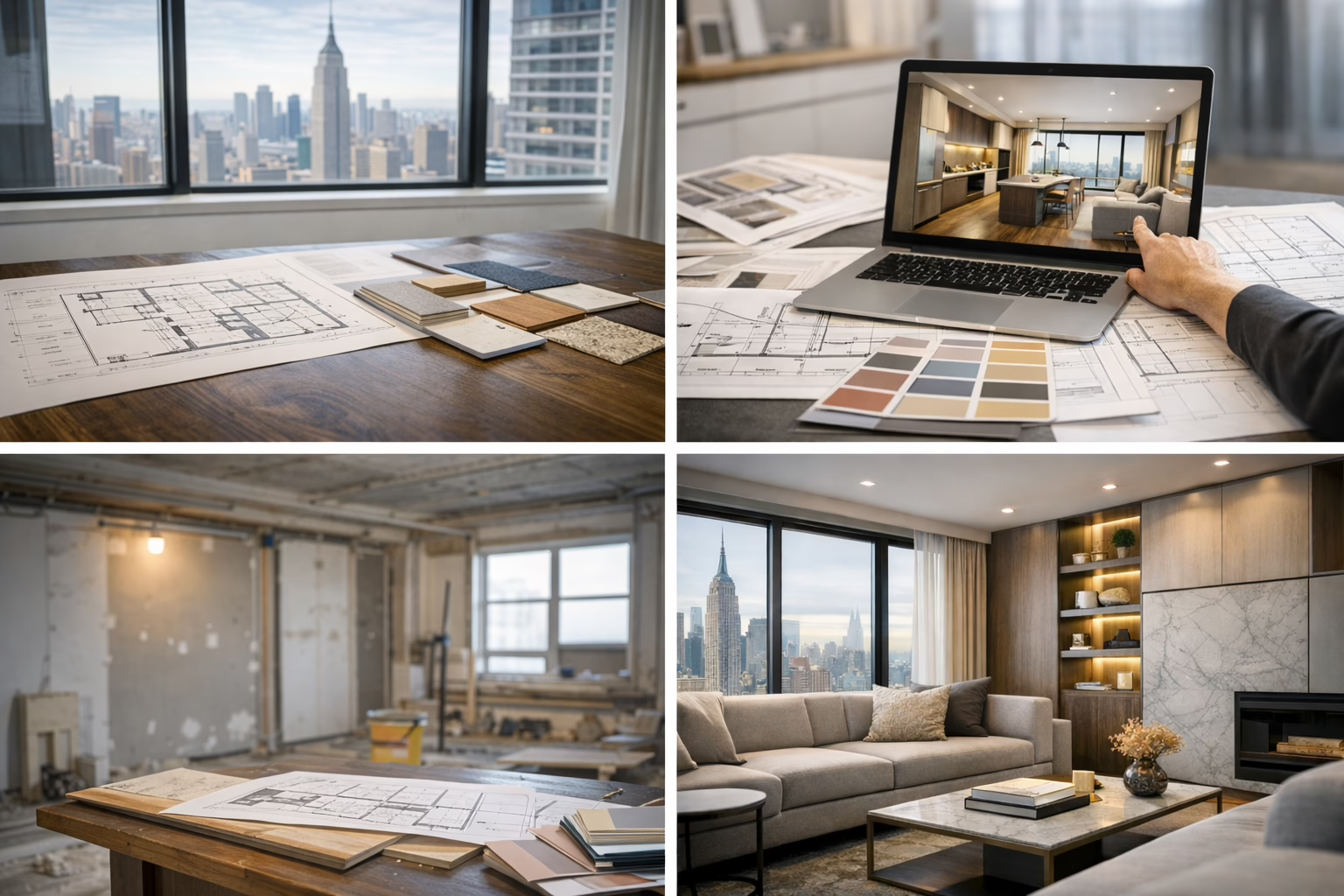
Renovating in New York City is not just about construction. It’s about planning intelligently within real constraints – structural walls, plumbing stacks, co-op board approvals, limited work hours, and tight urban layouts.
Interior design in NYC is not decoration. It is strategic problem-solving before construction begins.
At DNB Renovations, interior design is integrated into our design-build process. That means every concept is created with construction feasibility, budget clarity, and NYC building regulations in mind.
If you’re planning a renovation in Manhattan, Brooklyn, or Queens, here is how the interior design process actually works – and what you should expect.
Why Interior Design Matters More in NYC
New York apartments and townhouses come with unique challenges:
Pre-war layouts often limit structural flexibility. Plumbing cannot always be moved freely. Electrical systems in older buildings may not support modern kitchen loads. Co-op boards require detailed submission packages before work begins.
When design is not resolved early, projects face delays, budget shifts, and approval complications.
A professionally structured interior design process helps you:
- Maximize limited square footage
- Avoid costly mid-construction changes
- Align materials with real building conditions
- Improve functionality and flow
- Protect long-term property value
In NYC, clarity before demolition is critical.
Step 1: Consultation & Space Evaluation
Every project begins inside your space.
We evaluate structural conditions, plumbing locations, electrical capacity, ceiling heights, and light exposure. Many Manhattan apartments cannot relocate kitchens freely because plumbing stacks must remain within a defined footprint. Good design works with these realities, not against them.
We also focus on lifestyle. A remote-working couple needs zoning and acoustic planning. A growing family needs storage and circulation efficiency. Design begins with how you live.
Step 2: Layout & Space Planning
In NYC, space planning is where the true value lies.
A few inches in cabinet depth or hallway width can completely change how a home feels. Strategic repositioning of doors, custom millwork integration, or visual zoning through lighting can make a 900-square-foot apartment feel significantly larger.
For small apartments, we often focus on:
- Integrated storage walls
- Built-in millwork
- Concealed appliances
- Layered lighting
- Open yet functionally zoned layouts
Efficient layout design prevents wasted square footage — one of the most expensive mistakes in NYC real estate.
Step 3: Materials & Finish Selection
Once layout is finalized, materials are selected with both aesthetics and durability in mind.
In NYC, high-traffic urban living demands materials that perform long term. Not every beautiful material works practically in a city apartment.
For example:
Natural stone in bathrooms requires maintenance.
Wide-plank flooring may not suit uneven pre-war subfloors.
Custom cabinetry must align with imperfect walls.
Material decisions are balanced against:
- Budget
- Lead times
- Installation complexity
- Building regulations
- Long-term wear
This prevents expensive substitutions during construction.
Step 4: 3D Visualization & Technical Planning
Before construction begins, you see the project clearly.
We prepare 3D renderings, elevations, lighting plans, millwork drawings, and finish schedules. This allows you to make confident decisions before demolition begins.
In NYC, changes during construction are significantly more expensive than changes during design.
Visualization reduces uncertainty and protects your investment.
Step 5: Integration With Construction
Interior design in NYC works best when integrated with construction.
When designers and contractors operate separately, misalignment can occur — unrealistic design proposals, scope changes, or budget confusion.
With a unified design-build model:
- Design decisions are construction-ready
- Budget is aligned early
- Communication remains centralized
- Timelines are more predictable
In a city where approvals and logistics are complex, integration reduces risk.
How Much Does Interior Design Cost in NYC?
Interior design costs in New York vary based on scope, size, and complexity.
For renovation projects, design fees are typically structured as:
- Flat fee for defined scope
- Percentage of total renovation cost
- Integrated within a full design-build package
In NYC apartment renovations, interior design fees often represent a relatively small portion of total project cost – but they significantly influence overall efficiency and final quality.
Investing in structured design often prevents:
- Layout mistakes
- Material miscalculations
- Rework expenses
- Approval delays
Clear design planning almost always reduces long-term financial risk.
How Long Does the Interior Design Process Take in NYC?
For most renovation projects:
Design phase typically takes between 6 and 10 weeks.
This includes:
Consultation, layout development, material selection, documentation, and – when required – preparation for co-op board submissions.
Larger or more complex renovations may require additional time.
Rushing design often increases construction costs later.
Does Interior Design Increase Property Value in NYC?
Yes.
In competitive NYC markets, buyers and renters prioritize:
Functional layouts
Integrated storage
Lighting quality
Material consistency
Cohesive aesthetics
Thoughtful design improves daily comfort and long-term resale value.
In many cases, strategic layout improvements alone significantly increase perceived square footage value.
Start Your NYC Interior Design Project
Interior design in New York City is about foresight, precision, and realistic planning.
It is the difference between a renovation that feels improvised and one that feels intentional.
If you’re planning a renovation in Manhattan, Brooklyn, or Queens, schedule a consultation with DNB Renovations to discuss your project.
Clarity at the beginning of your project protects your timeline, your budget, and your investment.
Get in touch with DNB Renovations to start planning a renovation that respects your building’s history and brings your home up to today’s standards.
Let’s build your kitchen the right way – with clarity, control, and confidence.