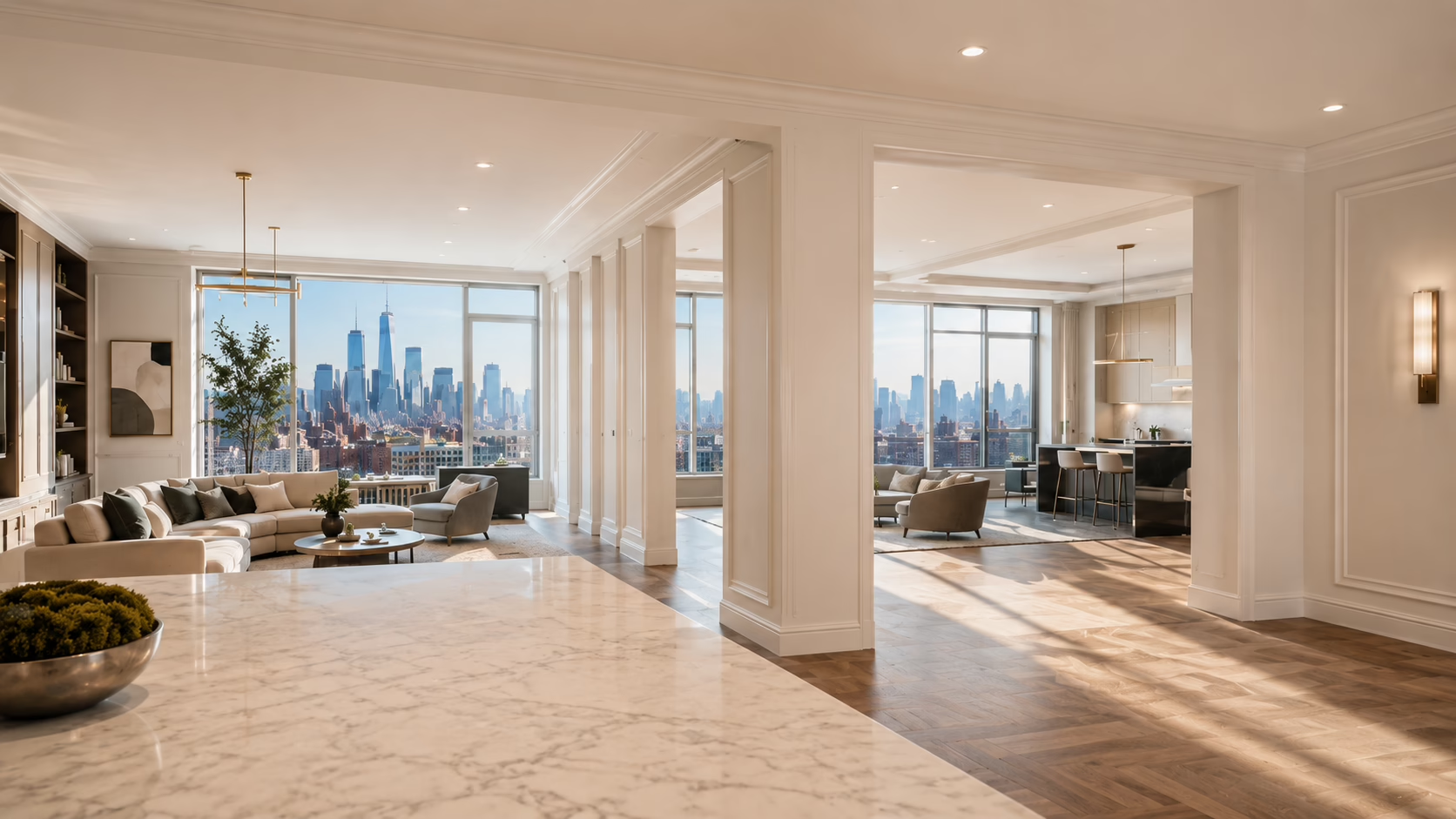
Finding the perfect luxury home in New York City is incredibly difficult. When you finally secure a property in a neighborhood you love, the thought of giving it all up just to gain an extra bedroom or a larger living space can be daunting.
Combining apartments in NYC is one of the most effective ways to create a larger, custom luxury home without leaving your building. Whether you are expanding horizontally or creating a vertical duplex, this type of renovation involves complex approvals, structural planning, and strict compliance with NYC regulations.
Quick Summary: What You Need to Know
If you are just beginning your research, here is the high-level overview of what it takes to merge two units in Manhattan or Brooklyn.
Key Requirements for Combining Apartments:
- Alt-1 Permit: Required from the NYC Department of Buildings (DOB).
- Updated Certificate of Occupancy: Mandatory to legally recognize the new unit count.
- Board Approval: Strict clearance from your co-op or condo board’s reviewing architect.
- Structural & Fire Safety Compliance: Upgrading electrical, plumbing, and maintaining legal egress.
Estimated Cost of Combining Apartments in NYC: The cost typically ranges from $250,000 to $1M+, depending on:
- Structural modifications (removing load-bearing walls, cutting concrete slabs).
- Building type (strict co-ops vs. modern condos).
- Relocation of plumbing and electrical systems.
- Custom finishes, bespoke millwork, and high-end design standards.
Typical Project Timeline (9 to 18 Months):
- Design & Engineering: 2–4 months
- DOB & Board Approval: 3–6 months
- Construction Phase: 6–12+ months
Planning to Combine Apartments in NYC?
This is one of the most complex renovation projects in New York City – and mistakes can cost months of delays and hundreds of thousands of dollars.
At DNB Renovations, we manage the entire process: – Alt-1 permits
– Co-op board approvals
– Structural planning
– High-end construction
The Legal Landscape: DOB Rules for Combining Apartments
Any time you alter the layout, egress, or use of a space in NYC, the Department of Buildings must be involved. Because combining units physically changes the number of dwellings in a building, the legal requirements are far stricter than a standard cosmetic update.
You cannot simply hire a contractor to knock down a demising wall. Doing so illegally can result in severe fines, immediate stop-work orders, and a property that is legally unsellable.
1. Alt-1 vs. Alt-2 Permits
To legally merge two units, you cannot use standard renovation permits.
- Alteration Type 2 (Alt-2): Used for standard renovations (like a [NYC Bathroom Renovation] or kitchen update) where the layout and building occupancy remain the same.
- Alteration Type 1 (Alt-1): Required for combining apartments. Because you are changing the building’s total unit count, the DOB requires an Alt-1 filing. This involves comprehensive architectural drawings, engineering approvals, and extended DOB review timelines.
2. Updating the Certificate of Occupancy (C of O)
When you combine two apartments, the official number of units in the building decreases. Therefore, the building’s Certificate of Occupancy must be amended. If you fail to do this, your apartment legally remains two separate units. This makes your property legally non-compliant, creates major issues during resale, and can prevent refinancing.
3. Egress Rules and Fire Safety
Fire safety and legal exits are strictly regulated. When combining apartments, you must maintain a valid, DOB-approved path of egress. Often, you cannot permanently remove or seal a second entrance door without explicit permission. In many high-rises, retaining the second door is a strict legal requirement, prompting our designers to creatively camouflage it within custom millwork or closets.
Want to learn more about city approvals? Read our complete [NYC Renovation Permits & DOB Guide].
Co-op and Condo Board Approvals: The Real Hurdle
In NYC, board approval is often more difficult to secure than DOB approval. Boards evaluate apartment combinations as high-risk endeavors that could disrupt neighbors, damage the building’s infrastructure, or overload building systems.
The Alteration Agreement & Reviewing Architect
Before demolition begins, you must sign the board’s Alteration Agreement. Most boards will hire their own architect and engineer (at your expense) to review your plans. They will check for:
- Electrical Capacity: Ensuring the combined unit will not overload aging electrical panels.
- Waterproofing: Validating that expanded wet zones are safely contained.
- Structural Integrity: Confirming no core load-bearing elements are compromised.
Elite Insurance Requirements
High-end buildings require contractors to carry significant insurance policies. DNB Renovations carries premium General Liability and Workers’ Compensation insurance that protects you, your neighbors, and the building corporation from any liability during the [Full Gut Renovation] process.
Architectural and Design Challenges in Merging Units
Combining apartments is not just technical-it is a design challenge. The goal is to create a seamless luxury home, not two separate units awkwardly stitched together.
The “Wet Over Dry” Rule
This notorious NYC rule prevents placing “wet” spaces (bathrooms, kitchens, laundry) directly above a neighbor’s “dry” living spaces (bedrooms, living rooms). In many NYC co-ops, violating wet-over-dry rules is the number one reason renovation plans get rejected. Our architects meticulously plan your new layout to maximize space while remaining 100% compliant with plumbing codes.
Dealing with Duplicate Spaces
When you merge units, you inherit a second kitchen and extra plumbing connections. Because NYC zoning typically prohibits having two fully functioning kitchens in a single-family dwelling, the second stove must be removed and the gas line capped. However, we often repurpose this valuable plumbing to create:
- A high-end butler’s pantry.
- A temperature-controlled wine room.
- A dedicated, soundproofed laundry room.
- A massive, bespoke walk-in closet.
Vertical Combinations: The Duplex Challenge
Vertical combinations (merging units above/below each other) are the most complex type of combination. They require cutting through concrete floor slabs, immense structural reinforcement, and custom staircase engineering that aligns with strict city codes.
Why the Design-Build Approach is Essential
Managing multiple contractors independently-an architect, an expeditor, a structural engineer, and a general contractor-often leads to miscommunication, delays, and costly mistakes.
The DNB Solution: We are a premier Design-Build firm specializing in [Manhattan and Brooklyn Renovations]. We offer a unified, turnkey approach:
- One Point of Responsibility: We handle the Alt-1 filings, board presentations, interior design, and full construction execution.
- Faster Execution: Our in-house architects foresee structural conflicts before demolition starts.
- Unmatched Quality: We guarantee our craftsmanship with a 7-Year Limited Labor Warranty and dedicated on-site project management.
Start Your Apartment Combination Project
Combining apartments in NYC is a high-stakes process that requires expert planning from day one.
Work with a team that understands NYC regulations, co-op boards, and luxury construction.
[Contact DNB Renovations today to schedule your consultation.]