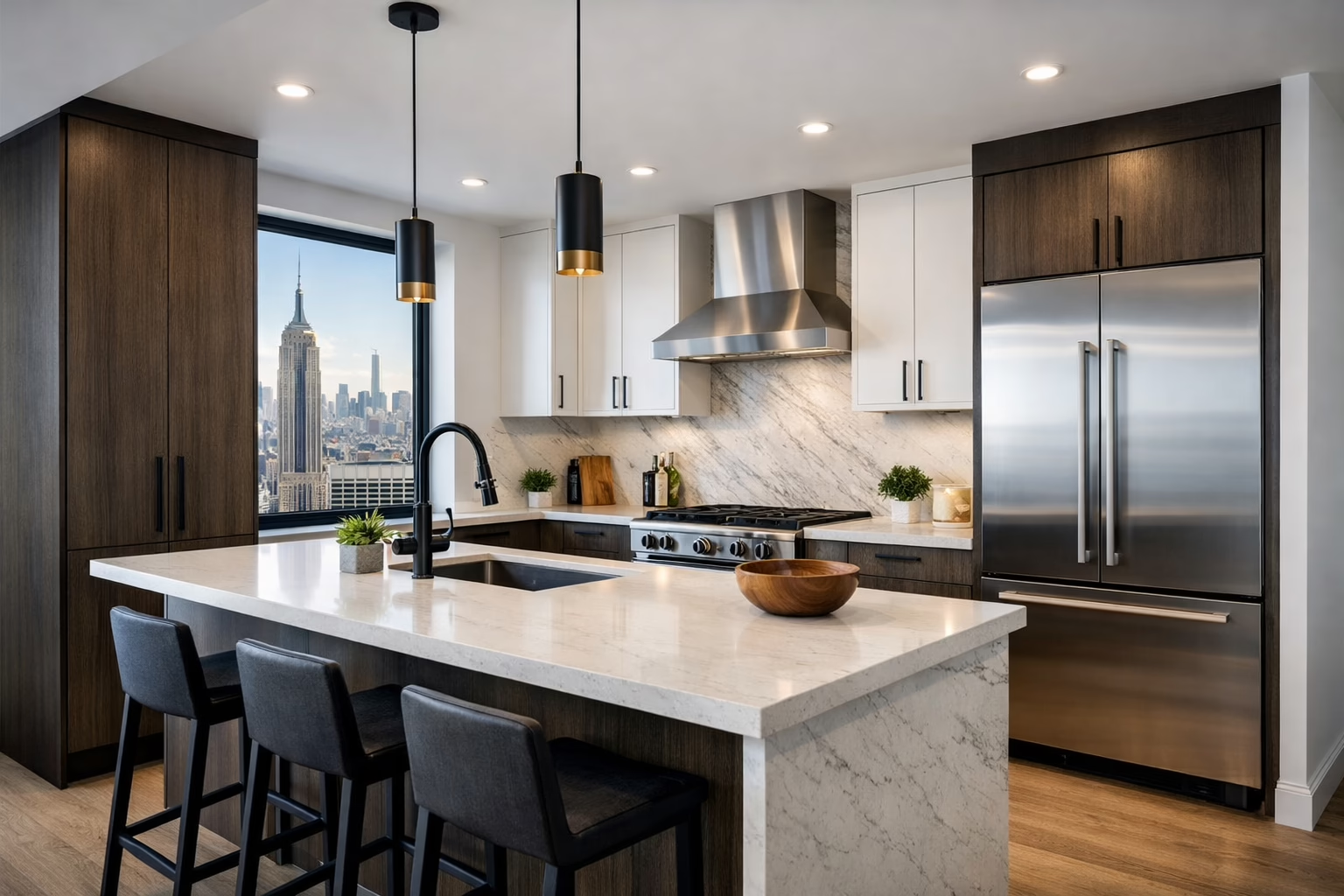
Understanding Kitchen Renovation Cost & Process in New York City requires more than browsing inspiration photos online. Renovating in NYC is not the same as renovating in suburban America. Buildings are older. Plumbing stacks are shared. Co-op boards have strict requirements. The Department of Buildings (DOB) enforces compliance.
And when these factors aren’t considered early, even a simple kitchen remodel can turn stressful.
After years of working across Manhattan, Brooklyn, and parts of Long Island, we’ve seen one consistent pattern: homeowners begin with excitement and quickly realize the renovation journey is as much about coordination and planning as it is about design.
If you understand the full process before starting, the experience becomes far smoother – and far more predictable.
Why Kitchen Renovations in NYC Are More Complex Than They Appear
At first glance, a kitchen remodel seems straightforward. Replace cabinets, upgrade appliances, refresh flooring. However, in New York City apartments, especially co-ops and condos, the kitchen is often integrated into shared building systems.
Moving a sink may affect shared plumbing risers. Relocating a stove could require gas line modifications. Adding new lighting may demand panel upgrades in older buildings.
In one Upper East Side co-op project, the construction work itself moved quickly. The real delay came from board approval requirements requesting additional ventilation documentation. The lesson? Administrative preparation matters as much as construction expertise.
NYC renovations are not only construction projects – they are compliance projects.
What Truly Influences Kitchen Renovation Cost & Process
Planning vs. Mid-Project Changes
One of the biggest cost and timeline disruptors is last-minute decision-making.
When homeowners finalize layouts before demolition begins, the project flows efficiently. However, changing appliance placement or adding an island after rough plumbing has started creates cascading adjustments. Electrical lines must be rerouted. Flooring repairs may be required. Inspection schedules shift.
Detailed pre-construction planning, including 3D renderings and engineering drawings, significantly reduces surprises.
Materials and Installation Realities
Cabinetry, countertops, and finishes certainly affect overall renovation scope. But in NYC, installation complexity often plays a larger role than material selection alone.
For example, older Brooklyn brownstones frequently have uneven walls and floors. Custom cabinetry may require on-site modifications to achieve proper alignment. In newer Manhattan condos with concrete construction, anchoring cabinetry demands specialized hardware and installation techniques.
What appears simple on paper often requires field adjustments in practice.
Hidden Conditions Behind the Walls
Many NYC buildings are decades old. Once demolition begins, contractors often uncover outdated wiring, aging pipes, or insufficient grounding.
In multiple projects across Queens, we discovered original plumbing lines that did not meet modern code requirements. Addressing these issues during renovation protects homeowners from future problems, but it must be accounted for in both planning and expectations.
A well-managed Kitchen Renovation Cost & Process always includes contingency planning for these hidden factors.
Step-by-Step: How the Kitchen Renovation Process Works in NYC
Initial Consultation & Site Evaluation
This stage goes far beyond measurements. An experienced contractor evaluates structural conditions, building management requirements, and the feasibility of layout changes.
We often review building alteration agreements before finalizing any design recommendations. In many co-op buildings, documentation and insurance certificates must be prepared before work can begin.
Design Development & Engineering
A successful project begins with comprehensive documentation. This includes electrical layouts, plumbing schematics, cabinet elevations, and appliance specifications.
Completing this phase thoroughly prevents miscommunication during construction. It also ensures smooth submission if DOB filing becomes necessary.
When the design is fully resolved upfront, the Kitchen Renovation Cost & Process becomes more controlled and predictable.
Permits & DOB Approvals
In NYC, permit requirements depend on the scope of work. Relocating plumbing lines, modifying gas connections, or altering structural elements typically requires filing with the New York City Department of Buildings.
Skipping this step can result in violations or complications when selling the property. Official guidance can be found through the NYC Department of Buildings website:
https://www.nyc.gov/site/buildings/index.page
Board approvals in co-op and condo buildings may require separate documentation beyond DOB filings. Managing both simultaneously is essential for maintaining schedule.
Demolition Under Building Restrictions
Demolition in NYC comes with logistical constraints. Work hours are often limited. Hallways and elevators require protective coverings. Some buildings mandate debris removal through designated service entrances only.
These operational realities influence both timeline and coordination.
Construction & Installation Phase
Once rough plumbing and electrical work are completed and inspected, installation begins. Cabinetry, countertops, appliances, and finish carpentry follow in a carefully sequenced order.
Material delivery timing becomes critical in NYC due to limited storage space. In buildings without freight elevators, deliveries must be scheduled strategically.
Strong project management ensures all trades coordinate efficiently.
Final Inspection & Close-Out
Depending on scope, final inspections may involve DOB sign-off or building management review. A thorough walkthrough ensures all finishing details meet expectations.
Professional contractors complete a punch list process to address any final adjustments before closing the project.
How Long Does a Kitchen Renovation Take in NYC?
From design to final inspection, most kitchen renovations in New York take several months.
The timeline often depends more on paperwork and material lead times than on physical construction.
Projects move smoothly when:
- Design decisions are finalized early
- Permit documentation is prepared correctly
- Building management communication remains proactive
Rushing early stages often leads to longer delays later.
Common Mistakes NYC Homeowners Should Avoid
One recurring issue we encounter is selecting a contractor solely based on the lowest proposal. Frequently, lower bids omit necessary scope elements, which surface later as change orders.
Another common mistake is underestimating building-specific requirements. Co-op boards may request additional documentation after work has already been scheduled, causing avoidable postponements.
Finally, skipping permits to “save time” can create serious resale complications. Real estate transactions in NYC often involve document verification, and unpermitted work can delay closing.
Experience navigating local regulations makes a measurable difference.
Is Kitchen Renovation Worth It in NYC?
Absolutely – when executed strategically.
In competitive Manhattan and Brooklyn markets, updated kitchens significantly improve property appeal. Buyers often prioritize modern layouts, functional storage, and contemporary finishes.
Beyond resale value, daily usability improves dramatically. Better lighting, optimized storage, and improved workflow enhance everyday living.
A well-managed Kitchen Renovation Cost & Process is not just an expense – it is a long-term investment in comfort and equity.
Frequently Asked Questions
Do all kitchen renovations in NYC require permits?
Not always. Cosmetic updates may not require DOB filings. However, any changes to plumbing, gas, or structural elements typically do.
Can I remain in my apartment during renovation?
Yes, many homeowners do. However, expect temporary disruption and limited kitchen access during construction phases.
What causes most renovation delays in NYC?
Incomplete documentation, board approval revisions, and mid-project design changes are the most common factors.
How can I prepare for a smooth renovation?
Finalize your design decisions before construction begins and ensure your contractor understands building-specific requirements.
What should I look for in a contractor?
Verify licensing, insurance coverage, and direct experience working in NYC co-ops and condos.
Is contingency planning necessary?
Yes. Older buildings often reveal hidden conditions once demolition begins, making preparation essential.
Ready to Start Your Kitchen Renovation the Right Way?
Navigating Kitchen Renovation Cost & Process in New York City requires more than construction skills – it requires regulatory knowledge, building coordination, and strategic planning.
At DNB Renovations, we guide homeowners through every stage:
- Detailed feasibility evaluation
- Design development and documentation
- Permit and board approval assistance
- Full-service construction management
If you’re considering a kitchen remodel in Manhattan, Brooklyn, Queens, or Long Island, contact us today through dnbrenovations.com to schedule a consultation.
Let’s build your kitchen the right way – with clarity, control, and confidence.