A full home renovation is one of the biggest decisions a homeowner can make – especially in New York City. Unlike cosmetic updates, a full renovation affects structure, systems, daily routines, and often building approvals.
Homeowners in Manhattan, Brooklyn, and Long Island often underestimate how much planning goes into a renovation. Understanding the real process ahead of time reduces stress and leads to better outcomes.
What “Full Home Renovation” Actually Means
A full home renovation typically involves more than updating finishes. Depending on the property, it may include:
- Layout changes or wall removals
- New plumbing and electrical systems
- Flooring throughout the home
- Kitchen and bathroom renovations
- Lighting, doors, trim, and paint
In NYC homes, the scope is often shaped by building age, structure, and regulations – not just design preferences.
Stage 1: Early Planning and Feasibility
This stage is where successful renovations begin – and where many problems are avoided.
What Happens Here
- Evaluating the existing condition of the home
- Identifying structural or system limitations
- Aligning goals with a realistic budget
- Understanding building or zoning restrictions
In older apartments or townhouses, this step often reveals hidden challenges that influence design and cost.
Stage 2: Design and Scope Definition
Design is not just about aesthetics. In NYC renovations, it’s about what’s allowed and what’s practical.
Key Decisions Made During Design
- Final layout and room flow
- Material selections
- Fixture and appliance placement
- Coordination between design and construction
Clear scope definition at this stage prevents confusion and costly changes later.
Stage 3: Permits and Approvals
This is one of the most misunderstood phases of renovation.
What Can Be Required
- Department of Buildings permits
- Co-op or condo board approvals
- Insurance documentation
- Neighbor notifications
Approval timelines vary, and experienced contractors plan for this so construction doesn’t stall unexpectedly.
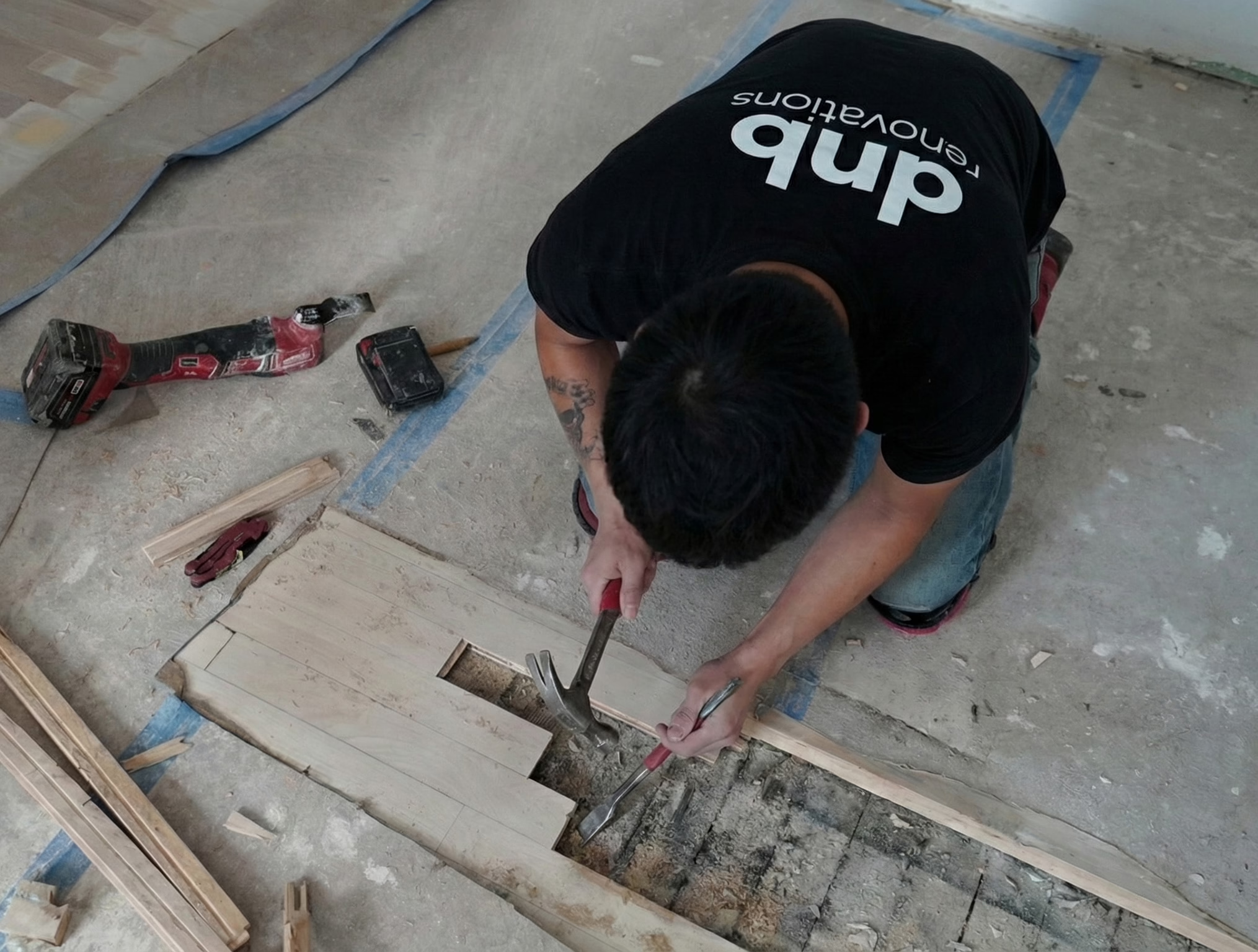
Stage 4: Demolition and Structural Work
Once approvals are in place, physical work begins.
What Typically Happens
- Selective demolition
- Framing or structural modifications
- Rough plumbing and electrical work
This phase often reveals conditions that weren’t visible before, especially in older buildings.
Stage 5: Systems, Inspections, and Build-Out
After rough work:
- Inspections are completed
- Walls are closed
- Finishes are installed
This includes flooring, cabinetry, tile, fixtures, lighting, and paint. Coordination is key here to maintain momentum.
Stage 6: Final Details and Completion
The last phase focuses on:
- Final inspections
- Punch list items
- Clean-up and walkthroughs
This is when the home truly comes together and begins to feel livable again.
How Long Does a Full Home Renovation Take in NYC?
Timelines vary widely, but most full renovations follow this general range:
- Planning & design: several weeks
- Permits & approvals: weeks to months
- Construction: several months depending on scope
Delays are usually caused by approvals, material lead times, or unforeseen conditions – not poor workmanship alone.
Living Through a Renovation: What to Know
Many homeowners remain in their homes during renovation, but it requires preparation:
- Limited access to certain rooms
- Noise and dust during work hours
- Temporary utility interruptions
Clear communication helps manage expectations throughout the process.
Common Misconceptions About Full Renovations
Some assumptions lead to frustration:
- “It will move faster once construction starts”
- “Online timelines apply to NYC”
- “Changes won’t affect the schedule”
A realistic mindset leads to better decision-making.
FAQs About Full Home Renovation in NYC
Do all renovations require permits?
Most full renovations do, especially when systems or layouts change.
Can I renovate a co-op the same way as a house?
No. Co-ops and condos have additional rules and approval processes.
Should I finalize design before contacting a contractor?
Early contractor input often improves feasibility and budgeting.
How much contingency should I plan for?
Older buildings benefit from a contingency to handle surprises.
Is it better to renovate all at once?
Often yes – it reduces duplication of work and overall disruption.
When should I start planning?
Months before your ideal start date is best.
Final Thoughts
A full home renovation in NYC is a process – not a single event. When homeowners understand the stages, timelines, and realities involved, the experience becomes far more manageable and successful.
Working with professionals who understand local buildings, approvals, and construction sequencing helps ensure that the final result reflects both vision and practicality.
Get in touch with DNB Renovations to start planning a renovation that respects your building’s history and brings your home up to today’s standards.